Rome, Enchantment and Passion Concert – Shoulder Cello and Piano
Lazio, Rome
Baroque Enchantment and Romantic Passion: A Musical Journey from Purcell to Debussy Come and listen to this extraordinary and little-known instrument: the shoulder cello!
Highlights
- Come and listen to the extraordinary shoulder cello!
- Come and learn about this little-known instrument from the 17th century
- Listen to its deep tones, its magnificent sound
- Listen to a stunning repertoire ranging from Baroque to Romanticism
Description
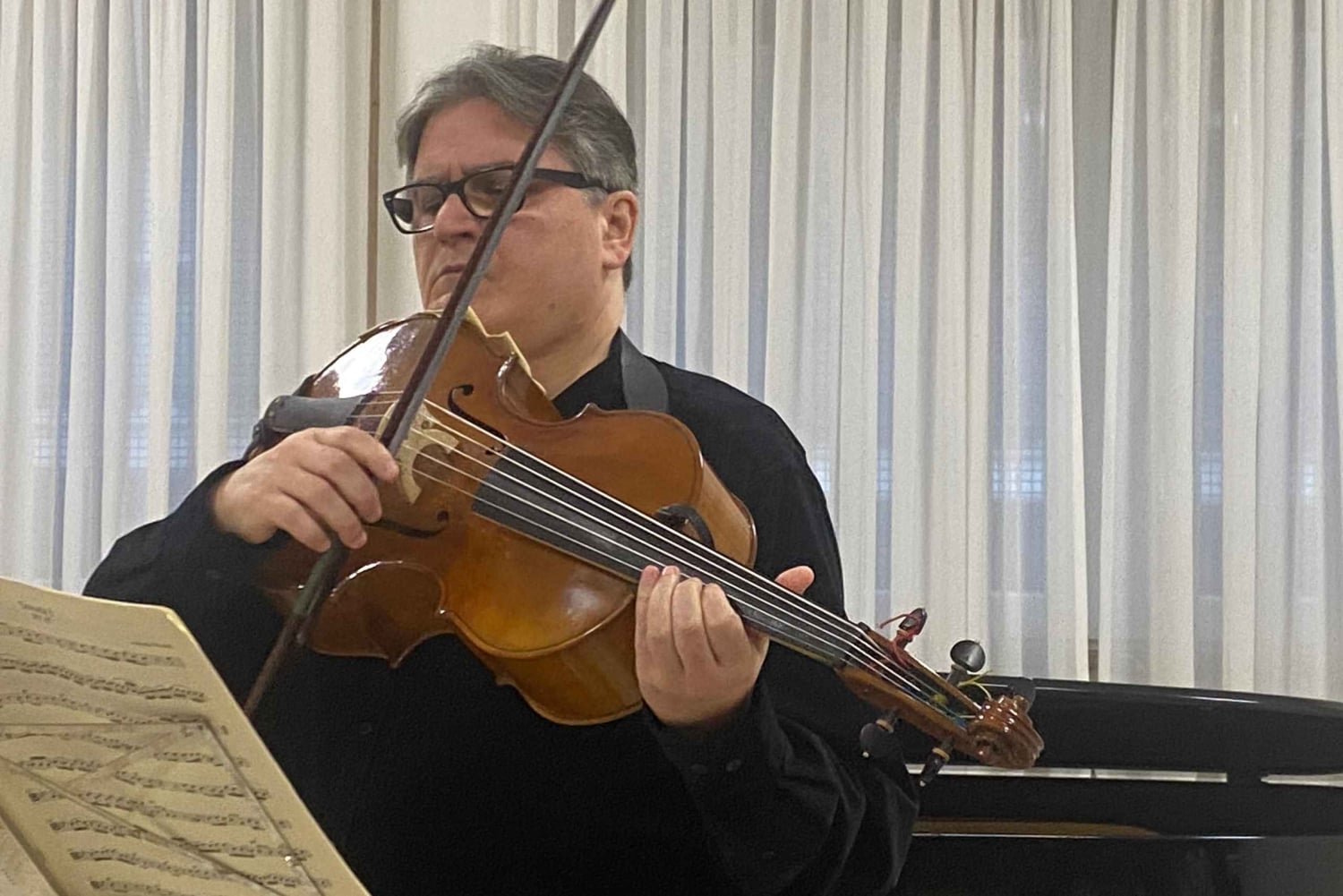
Alberto Vitolo, Shoulder Cello
Mirco Roverelli, Piano
PROGRAM
J.S. Bach – Gigue from Suite No. 2 for Solo Cello in D Minor BWV 1008
H. Purcell – “Dido's Lament” from Dido and Aeneas
A. Vivaldi – “Vedrò con mio diletto” from Il Giustino
A. Corelli – from Sonata Op. 5 No. 8 – Prelude and Gigue
N. Paganini – Cantabile, Op. 17
F. Schubert – Ständchen (Serenade) D 889
G. Fauré – “Après un rêve” op. 7 no. 1
S. Rachmaninoff – Vocalise Op. 34 No. 14
C. Debussy – “Clair de lune”
________________________________________________________
Notes on the Shoulder Cello
“Between the 17th century and the first half of the 18th century, the shoulder cello was a popular instrument among violinists, if only because of the range of opportunities it offered them.
They used it to play the bass line, accompaniments and even obbligato solo parts. Composers wrote sonatas and concertos for this instrument or that could be played on it, and it was widely used as an obbligato instrument in arias from church or chamber cantatas.
Cellists/violinists from northern Italy traveled all over Europe. Caldara, Bononcini and Dall'Abaco left their mark in Catalonia. Violinist, shoulder cello player and researcher Diana Roche from Barcelona is conducting research on a vast body of church cantatas by Catalan composers who regularly used the five-string cello piccolo in solo and obbligato parts between the late 17th and mid-18th centuries.
We still have some instruments in museums that are very similar to the shoulder cello we use today. Those made by Johann Christian Hoffmann, a friend and luthier of Johann Sebastian Bach, are just the most famous and relevant. We know of five of these instruments: unfortunately, two were lost during the war. Of those that still exist, one is in Leipzig, one in Brussels and one in Berkeley. One of these five appears in the inventory at the time of Carl Philipp Emanuel Bach's death, and another was owned by the Thomaskantor until World War II.'
Daniela Gaidano
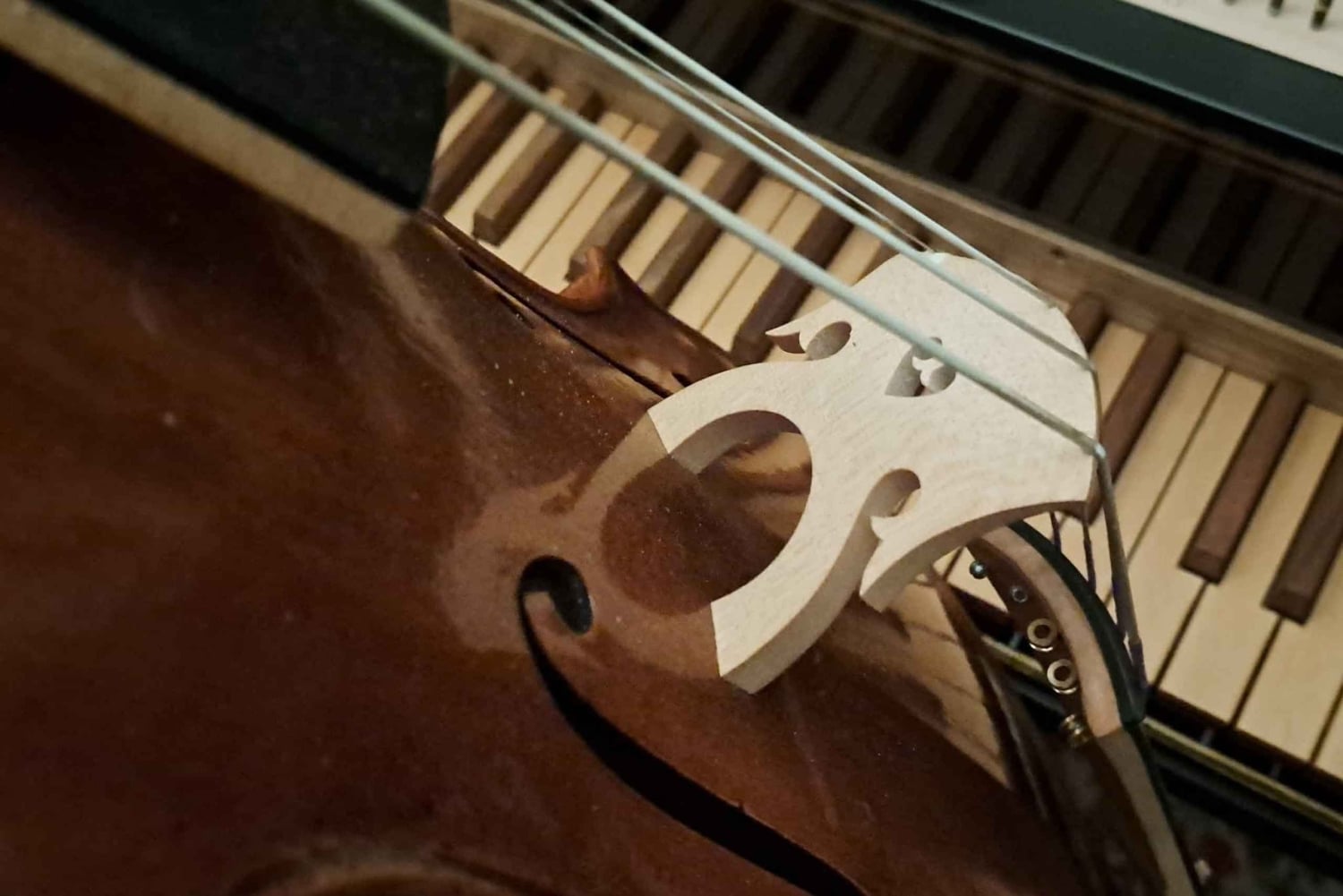
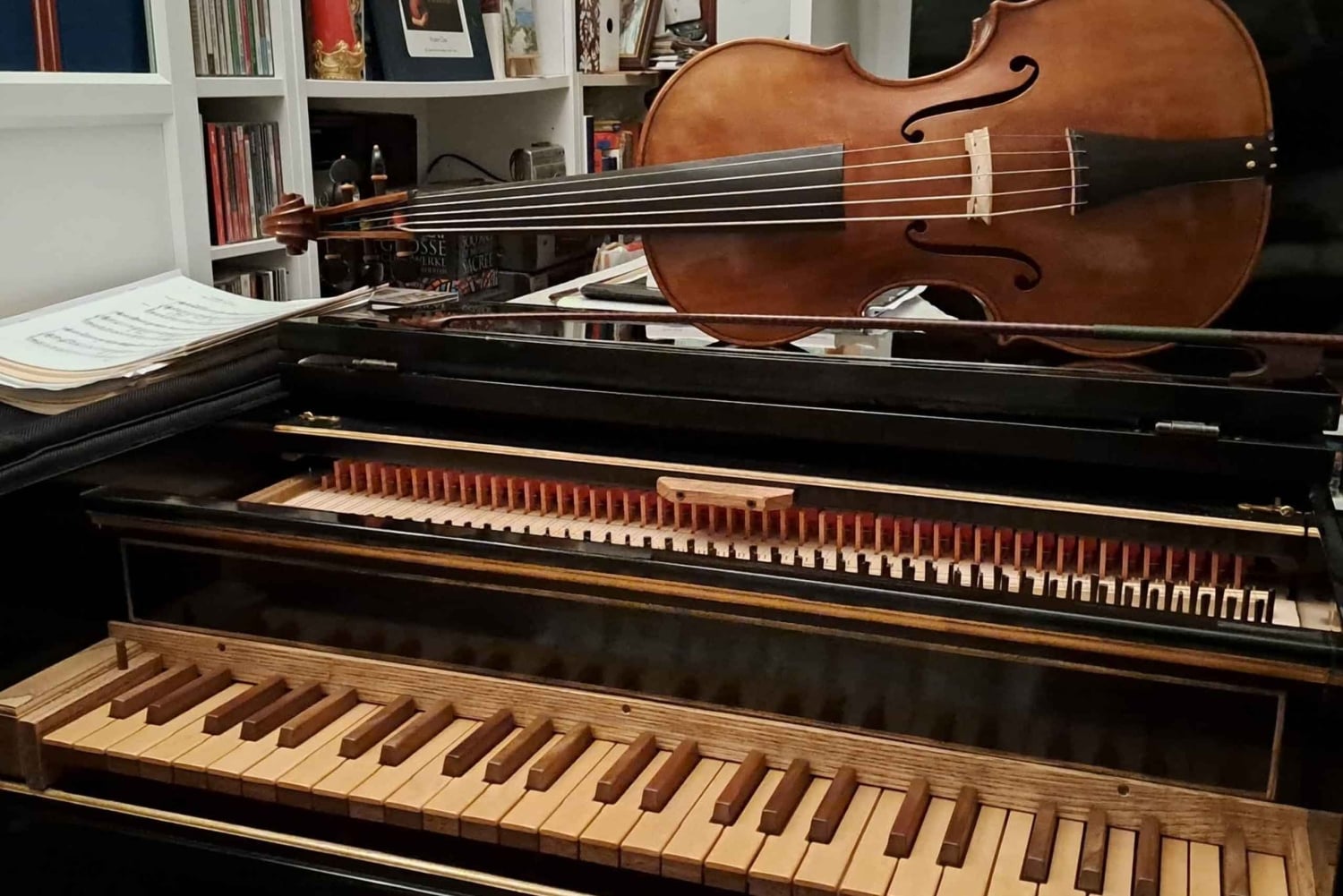
Maestro A. Vitolo plays a Shoulder Cello made by luthier Alessandro Visintini
Includes
Presentation of the Shoulder Cello
History, origins, structure of the instrument
Concert for shoulder cello and piano
Easy cancellation
Cancel up to 24 hours in advance for a full refund